Most people do not think about their drains until something goes wrong. One day, the water in your kitchen sink starts draining slowly. The next day, there is a bad smell coming from your bathroom. Before you know it, you are dealing with a blocked drain.
Blocked drains are one of the most common plumbing problems in UK homes. While some blockages are easy to fix, others can lead to serious damage if ignored. The good news is that your plumbing system usually gives you warning signs before the problem becomes worse.
In this blog, we will discuss the most common signs of blocked drains, their causes, and the best ways to deal with them.
Why Do Drains Become Blocked?
Your drains carry wastewater away from your home every day. Over time, materials such as grease, soap, food particles, and hair can build up inside the pipes.
Some of the most common causes of blocked drains include:
- Cooking oil and grease.
- Food waste.
- Hair and soap scum.
- Wet wipes and sanitary products.
- Tree roots.
- Dirt and leaves in outdoor drains.
- Damaged or collapsed pipes.
Even a small blockage can affect the performance of your entire drainage system if left untreated.
For more advice on looking after your home’s drainage system, see the Water UK guide on drains and sewers
1. Water Drains Slowly
Slow-draining water is often the first sign of a blockage. If your sink, shower, or bath takes longer than usual to empty, something may be restricting the flow of water.
This usually happens because debris has started collecting inside the pipes.
Common causes include:
- Hair.
- Soap residue.
- Food particles.
- Grease build-up.
Ignoring slow drainage can eventually lead to a complete blockage.
2. Unpleasant Smells Coming from Your Drains
Bad smells are another common warning sign.
Food waste, grease, and trapped debris can begin to decompose inside your pipes, creating unpleasant odours throughout your home.
If you notice smells coming from:
- Kitchen sinks.
- Bathroom drains.
- Outdoor drains.
- Toilets.
It may be time to investigate the problem.
Regular cleaning can help, but persistent smells often indicate a blockage that needs professional attention.
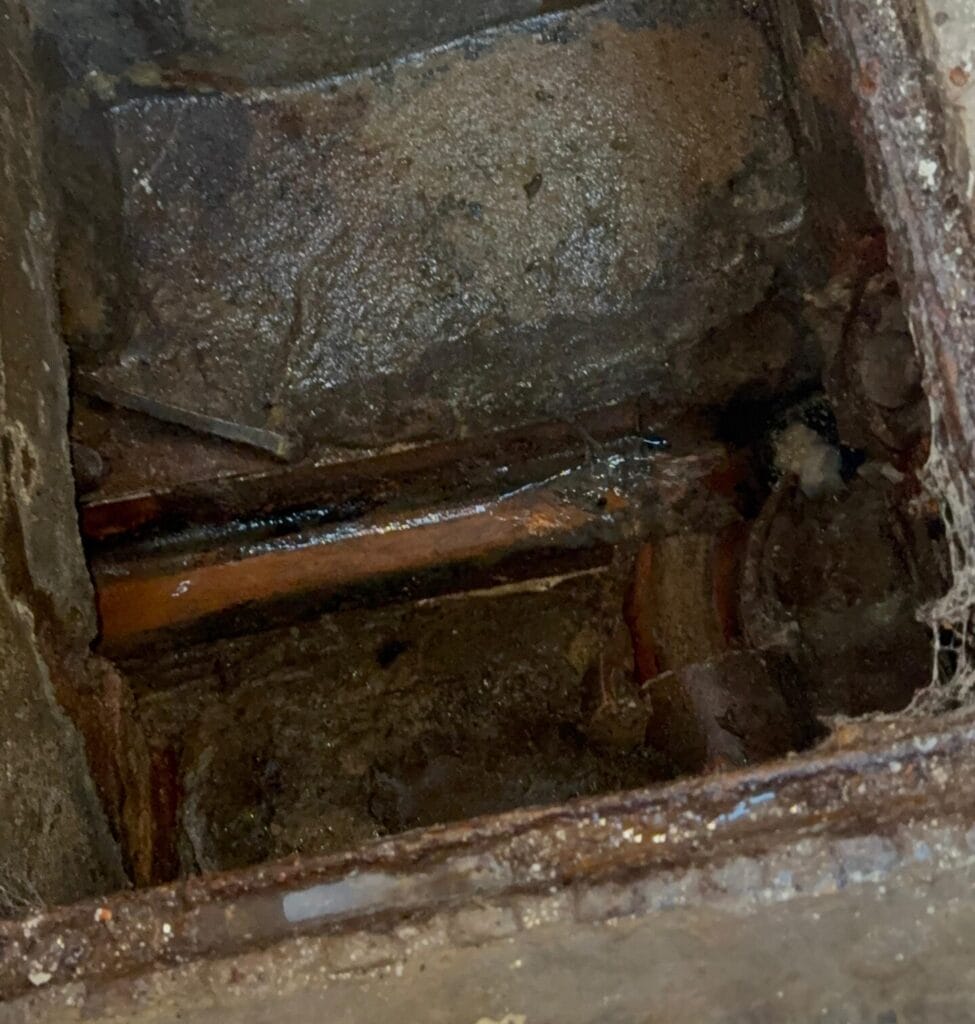
3. Gurgling Sounds in Your Pipes
Have you ever heard strange bubbling or gurgling noises after flushing the toilet or draining water from the sink?
These sounds usually mean that air is trapped inside your plumbing system.
Air becomes trapped when water cannot move freely through the pipes because of a blockage.
Gurgling noises should never be ignored because they are often an early warning sign of a drainage issue.
4. Water Backing Up into the Sink or Bath
Water should only flow in one direction—away from your home.
If water begins backing up into your sink, shower, or bath, it is a strong indication that there is a blockage somewhere in the drainage system.
Signs include:
- Dirty water appearing in the sink.
- Water rising after flushing the toilet.
- Water pooling around drains.
- Overflowing outdoor drainage covers.
Water backups can quickly become a hygiene problem if left unresolved.
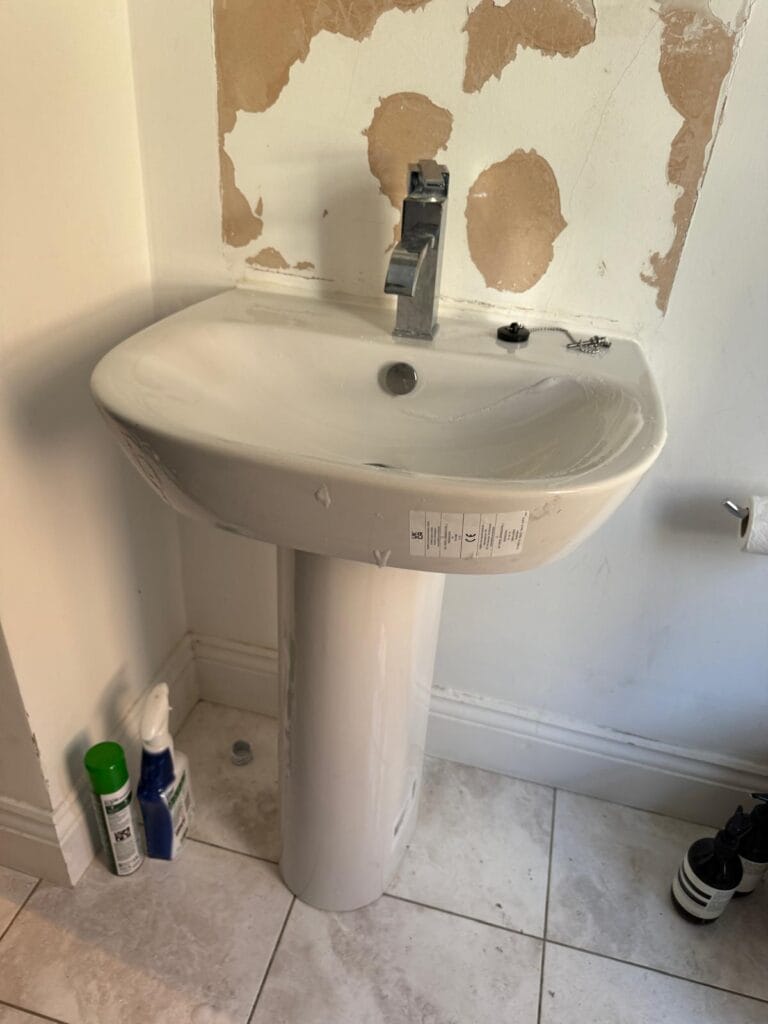
5. Multiple Drains Are Blocked
When several drains become slow or blocked at the same time, the issue is usually more serious than a simple clog.
For example:
- The kitchen sink drains slowly.
- The toilet struggles to flush.
- The shower begins overflowing.
This often suggests a problem in the main drainage line rather than an individual pipe.
Professional inspection may be necessary to identify the cause.
6. Your Toilet Frequently Blocks
A toilet that blocks regularly should not be considered normal.
Frequent toilet blockages may be caused by:
- Excess toilet paper.
- Wet wipes.
- Foreign objects.
- Drainage pipe issues.
Repeated toilet problems often indicate that the blockage is further down the drainage system.
Ignoring the issue can lead to overflowing toilets and costly repairs.
7. Outdoor Drains Are Overflowing
Outdoor drains play an important role in preventing flooding around your property.
They can become blocked by:
- Leaves.
- Mud.
- Moss.
- Garden debris.
- Heavy rainfall deposits.
Signs of an outdoor drainage problem include:
- Standing water.
- Overflowing drain covers.
- Damp areas around the property.
- Bad smells outdoors.
Regular maintenance can help keep outdoor drains working efficiently throughout the year.
8. Pest Problems Around Drains
Blocked drains can attract unwanted pests.
Food particles and stagnant water create the ideal environment for insects and rodents.
Common signs include:
- Increased flies around drains.
- Small insects near sinks.
- Rodent activity outdoors.
- Persistent foul smells.
Maintaining clean drains can help reduce the likelihood of pest problems in and around your property.
9. Flooding Around Your Home
Flooding is one of the most serious consequences of blocked drains.
Even a small blockage can eventually lead to:
- Water damage.
- Damaged flooring.
- Damp walls.
- Structural problems.
- Expensive repairs.
If you notice water collecting where it should not be, it is important to act quickly.
Drainage issues rarely resolve themselves and often become worse over time.
10. DIY Methods Are No Longer Working
Many homeowners attempt simple DIY solutions such as:
- Hot water.
- Baking soda and vinegar.
- Drain cleaning products.
- Plungers.
While these methods may help minor blockages, they are not suitable for more serious drainage problems.
If the blockage keeps returning, it is usually a sign that the root cause has not been properly addressed.
How Can You Prevent Blocked Drains?
Preventing blocked drains is much easier than dealing with emergency plumbing repairs London.
Here are some practical tips:
In the Kitchen
- Never pour grease or cooking oil down the sink.
- Use sink strainers.
- Dispose of food waste properly.
- Flush drains occasionally with hot water.
In the Bathroom
- Install hair catchers.
- Avoid flushing wet wipes.
- Clean drain covers regularly.
- Dispose of sanitary products correctly.
Outside Your Property
- Remove leaves and debris from drain covers.
- Check outdoor drains after heavy rainfall.
- Schedule regular maintenance if necessary.
Small habits can make a big difference in keeping your drainage system in good condition.
When Should You Call a Professional?
You should consider contacting a drainage specialist if:
- Your drains block repeatedly.
- Multiple drains are affected.
- Water is backing up into your property.
- DIY methods are unsuccessful.
- Bad smells continue.
- Flooding occurs.
Professional plumbers use specialist equipment such as CCTV drain surveys and high-pressure water jetting to identify and remove stubborn blockages safely.
Final Thoughts
Blocked drains are a common household problem, but they should never be ignored. Slow drainage, unpleasant smells, gurgling pipes, and water backups are all warning signs that your plumbing system needs attention.
The earlier you identify the problem, the easier and less expensive it is usually to fix. Regular maintenance and good drainage habits can help prevent many common issues before they become major repairs. If you notice any of the signs mentioned above, taking action early can save both time and money while protecting your home from unnecessary damage.
Wet wipes, even those labelled as “flushable”, can contribute to sewer blockages. The Fine to Flush campaign explains which products are safe to flush and why it matters.