
Plumbing emergencies can happen at any time and often require immediate attention. A burst pipe, blocked drain, overflowing toilet, or serious water leak can quickly disrupt your home or business. Knowing how to respond can help minimise damage while you wait for professional assistance.
If you experience a serious plumbing problem, contacting an experienced emergency plumber in London can help identify the cause and provide an appropriate solution. In this guide, we explore five common plumbing emergencies and explain what you can do when they occur.
1. Burst Pipes
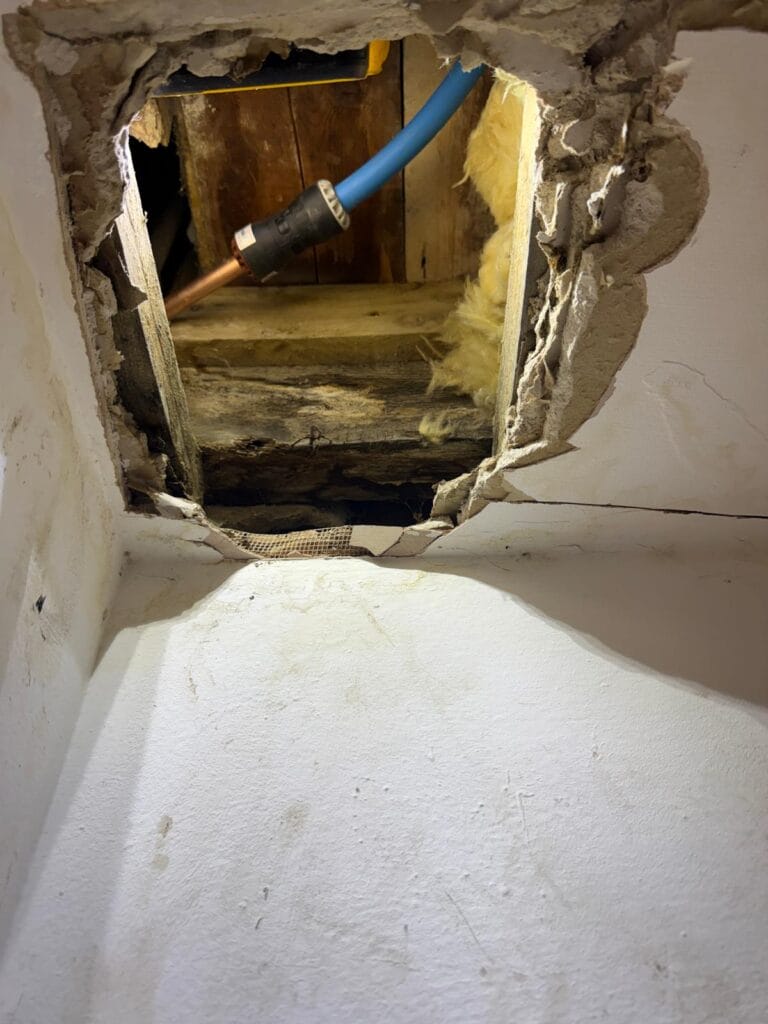
A burst pipe is one of the most serious plumbing emergencies because a large amount of water can enter your property in a short period. Burst pipes can result from freezing temperatures, corrosion, high water pressure, damaged fittings, or ageing plumbing systems.
How to Handle a Burst Pipe
The first step is to turn off the main water supply if you can safely access the shut-off valve. This can help reduce the amount of water entering your property.
Next, move furniture, electronics, documents, and other valuable items away from the affected area if it is safe to do so. Use towels or buckets to contain smaller amounts of water.
Avoid attempting a major pipe repair without the appropriate knowledge and equipment. Contact a professional plumber to inspect the damaged pipe and determine whether it needs repair or replacement.
If the water is close to electrical equipment, do not touch electrical appliances or wiring. Seek appropriate professional assistance to deal with electrical hazards.

2. Overflowing Toilets
An overflowing toilet can quickly create a messy and unhygienic situation. It may be caused by a blocked drain, faulty flushing mechanism, damaged components, or an issue further along the drainage system.
How to Handle an Overflowing Toilet
If the toilet is continuously filling, stop the water supply to the toilet if possible. Many toilets have a small shut-off valve near the base of the toilet.
Avoid flushing the toilet again because this could increase the overflow. If the water continues to rise or does not drain, you may have a significant blockage that requires professional attention.
A professional emergency plumber can inspect the toilet and drainage system to identify the cause of the problem and clear the blockage using an appropriate method.
It is important not to use excessive force or unsuitable chemicals, as these can potentially damage plumbing components or create additional hazards.
3. Severe Drain Blockages
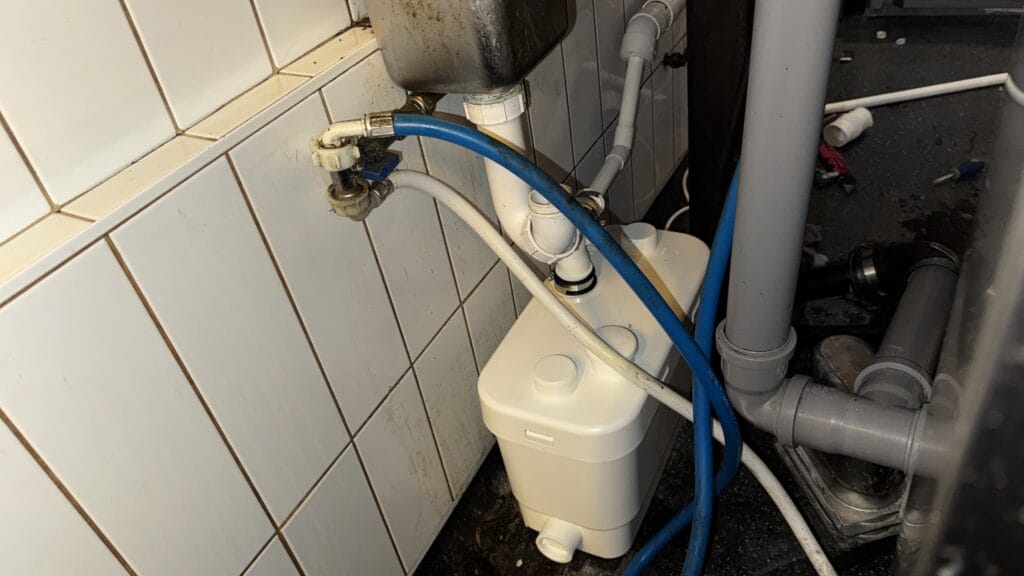
Slow drains can sometimes develop into complete blockages. A blocked kitchen sink, bathroom drain, shower, or main drainage line can cause standing water, unpleasant odours, and potential overflow.
Common causes include hair, grease, food particles, soap residue, foreign objects, and accumulated debris.
How to Handle a Blocked Drain
For a minor blockage, you may be able to use a suitable plunger to help restore drainage. However, if the blockage is severe or keeps returning, professional inspection may be necessary.
Avoid repeatedly pouring strong chemical drain cleaners into the plumbing system. These products may not resolve deeper blockages and can potentially damage pipes or create safety concerns.
A professional plumber can determine where the blockage is located and use appropriate equipment to clear it. If multiple drains are blocked at the same time, there may be a problem with the main drainage system that requires urgent attention.
4. Serious Water Leaks
Water leaks can occur from pipes, taps, toilets, radiators, appliances, or plumbing connections. While a small drip may seem harmless, a significant leak can cause damage to walls, floors, ceilings, furniture, and other parts of a property.
Hidden leaks can be particularly difficult to identify because the source may not be immediately visible.
How to Handle a Serious Water Leak
If possible, identify where the water is coming from and shut off the relevant water supply. If you cannot locate the source, turning off the property’s main water supply may help reduce the flow.
Place containers or towels beneath visible leaks to collect water, provided it is safe to do so. Move vulnerable belongings away from the affected area.
If the leak is near electrical equipment, take extra care and avoid contact with water and electrical components.
A professional plumber can investigate the source of the leak and determine whether the problem involves a damaged pipe, fitting, valve, appliance connection, or another plumbing component.

5. No Water or Sudden Loss of Water Pressure
A sudden loss of water pressure or complete loss of water can be frustrating, particularly when it affects multiple fixtures throughout your property.
The problem can have several possible causes, including a plumbing leak, blocked pipe, faulty valve, damaged supply line, or an issue with the wider water supply.
How to Handle a Sudden Loss of Water
Start by checking whether the problem affects one tap or the entire property. If only one fixture is affected, the issue may be local to that fixture.
If every tap has low or no water pressure, check whether there is a known issue with the local water supply. You can also check accessible valves to make sure they have not been accidentally closed.
If the problem affects your property and cannot be explained by an external supply issue, contact a qualified plumber for an inspection.
Why Fast Action Matters During Plumbing Emergencies
Plumbing emergencies can become more complicated when they are ignored. Water can spread into flooring, walls, ceilings, and other areas, potentially increasing repair requirements.
Taking immediate basic precautions can help limit the impact of an emergency. Turning off the water supply, protecting belongings, and contacting a professional can all be useful steps.
However, safety should always come first. If there is standing water near electrical equipment, structural damage, contaminated water, or another serious hazard, avoid putting yourself at risk.
When Should You Call an Emergency Plumber?
Not every plumbing problem requires an emergency visit. However, urgent professional assistance may be appropriate when a problem involves:
- A burst or severely damaged pipe
- A major water leak
- An overflowing toilet that cannot be stopped
- A completely blocked main drain
- Significant water damage
- Loss of water supply affecting the property
- A plumbing problem that could cause immediate property damage
If you are unsure whether your situation requires emergency assistance, explain the symptoms to a professional plumber. They can help determine the appropriate next step.
Professional Emergency Plumbing Support
When a plumbing emergency occurs, having access to a reliable plumbing company can make the situation easier to manage. absgplumbing provides professional plumbing support for a range of plumbing requirements.
From leaks and blocked drains to overflowing toilets and other urgent plumbing problems, professional assessment can help identify the underlying cause and determine the most suitable repair.
Rather than repeatedly attempting temporary fixes, getting the problem assessed by an experienced plumber can help prevent recurring issues and reduce the risk of further damage.
How to Prepare for a Plumbing Emergency
Preparation can make a major difference when an unexpected plumbing problem occurs. Know where your property’s main water shut-off valve is located and make sure household members know how to access it.
It is also useful to keep basic items such as towels, buckets, and a suitable plunger available. Save the contact details of a trusted plumbing company so you do not have to search for one while dealing with a stressful emergency.
Regular plumbing inspections can also help identify potential problems before they become urgent. Checking visible pipes, taps, toilets, and connections periodically may help you notice leaks or deterioration early.
Conclusion
Plumbing emergencies can be stressful, but knowing how to respond can help reduce their impact. Burst pipes, overflowing toilets, severe drain blockages, serious leaks, and sudden water-pressure problems are common issues that may require prompt attention.
The first priority should always be safety. Where appropriate, shut off the water supply, protect belongings, and avoid actions that could make the problem worse. For serious or persistent plumbing problems, contacting a professional emergency plumber in London can help ensure that the issue is properly assessed and repaired.
With professional support from absgplumbing, homeowners and businesses can address urgent plumbing problems and work towards restoring their plumbing systems safely and efficiently.
Frequently Asked Questions
1. What is the most common plumbing emergency?
Common plumbing emergencies include burst pipes, serious water leaks, blocked drains, overflowing toilets, and sudden loss of water supply. The severity depends on the specific circumstances and potential for property damage.
2. What should I do first if a pipe bursts?
If it is safe to do so, turn off the main water supply. Move valuables away from the affected area and contact a professional plumber for urgent assistance.
3. Can I fix a blocked drain myself?
Minor blockages may sometimes be cleared with a suitable plunger. However, severe, recurring, or deep blockages may require professional equipment and assessment.
4. Should I call an emergency plumber for a leaking tap?
A minor tap leak may not always require an emergency visit. However, if the leak is severe, cannot be stopped, or is causing significant water damage, professional assistance may be necessary.
5. What causes a toilet to overflow?
An overflowing toilet can result from a blocked toilet trap, drainage problem, faulty flushing mechanism, or another plumbing issue. Stop flushing and shut off the toilet’s water supply if possible.
6. How can I prevent plumbing emergencies?
Regular inspections, addressing small leaks quickly, avoiding putting unsuitable materials down drains, and knowing the location of your main water shut-off valve can help reduce plumbing risks.
7. How quickly should a serious water leak be addressed?
A serious water leak should be addressed as soon as possible because continued water flow can increase the risk of property damage. Turn off the water supply if safe and contact a professional plumber.
8. When should I contact an emergency plumber in London?
You should consider emergency plumbing assistance when a problem involves major water leakage, a burst pipe, an uncontrollable overflow, a severe blockage, or another issue that could cause immediate damage or significant disruption.
This is a very informative and practical guide for homeowners! I especially appreciate the advice about turning off the main water supply during a burst pipe emergency and avoiding repeated use of harsh chemical drain cleaners. Knowing these simple precautions can help reduce water damage and prevent plumbing problems from becoming more serious. Regular inspections and quick action can make a real difference in maintaining a safe and efficient plumbing system. Thanks for sharing these helpful tips!